Ojibway Nature Centre
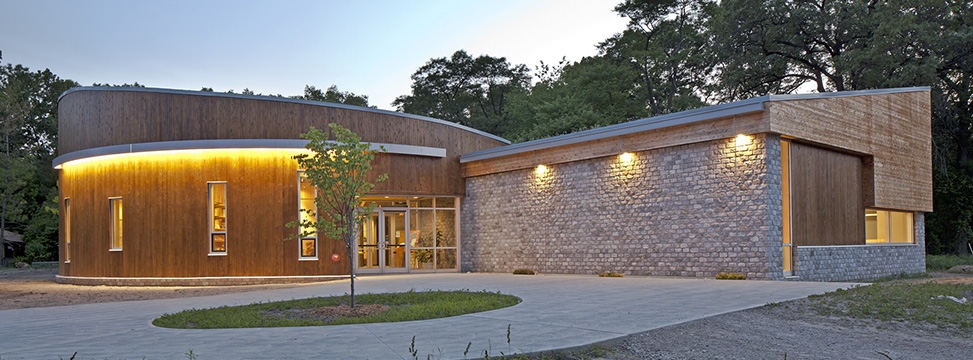
Ojibway Nature Centre is a LEED certified facility designed to introduce visitors to two of Canada’s most endangered ecosystems: tallgrass prairie and oak savannah. The unrivalled biodiversity of this cherished environment is a source of constant discovery.
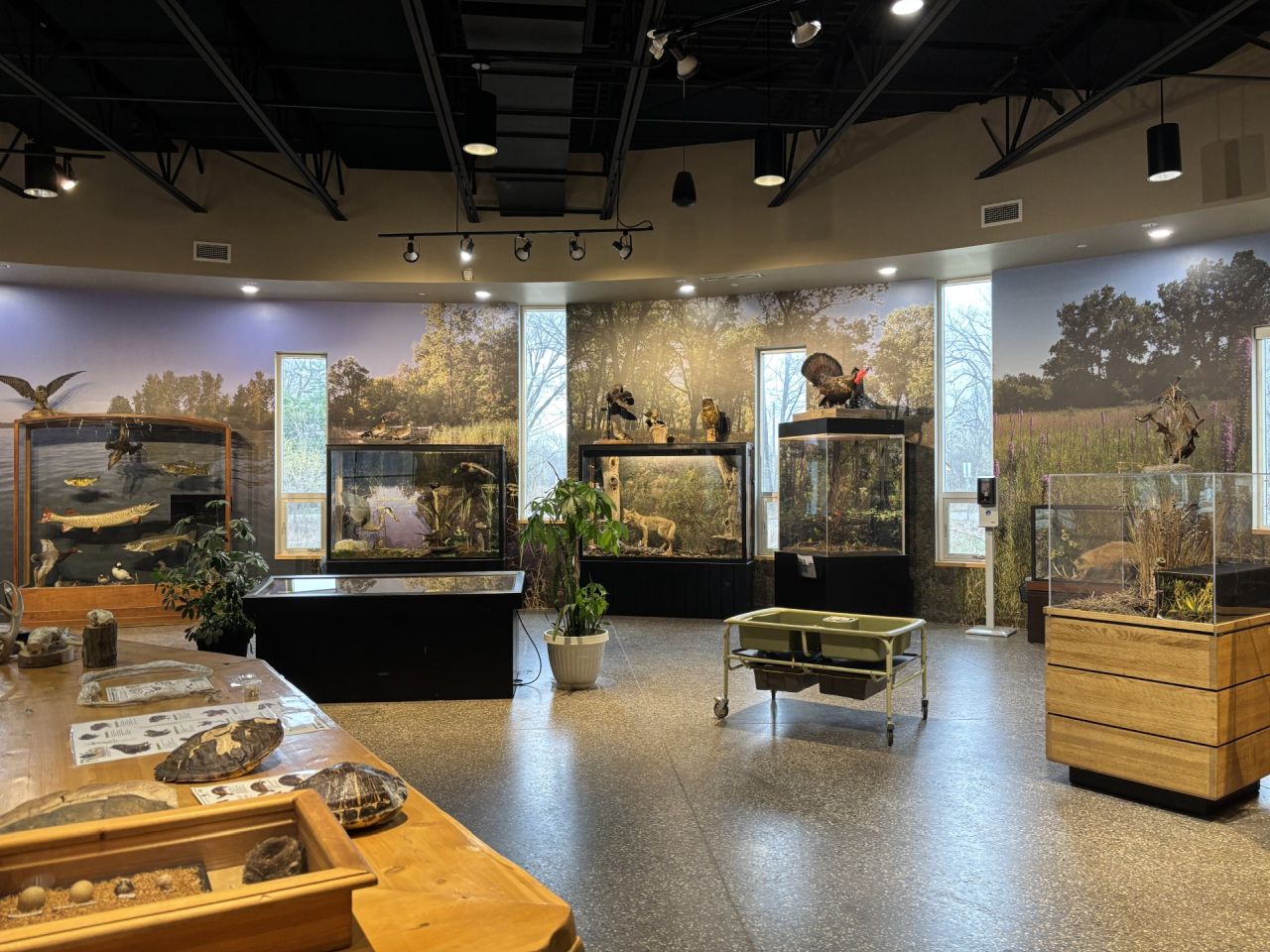
There is no charge for admission to the Nature Centre and the building is fully accessible. Informative displays on the ecology of the Ojibway Prairie Complex include a live exhibit area featuring Eastern Foxsnake and Massasauga Rattlesnake. A wall of windows provides a breathtaking view of the forest. Trail guides, maps and other informative handouts are available (see below).
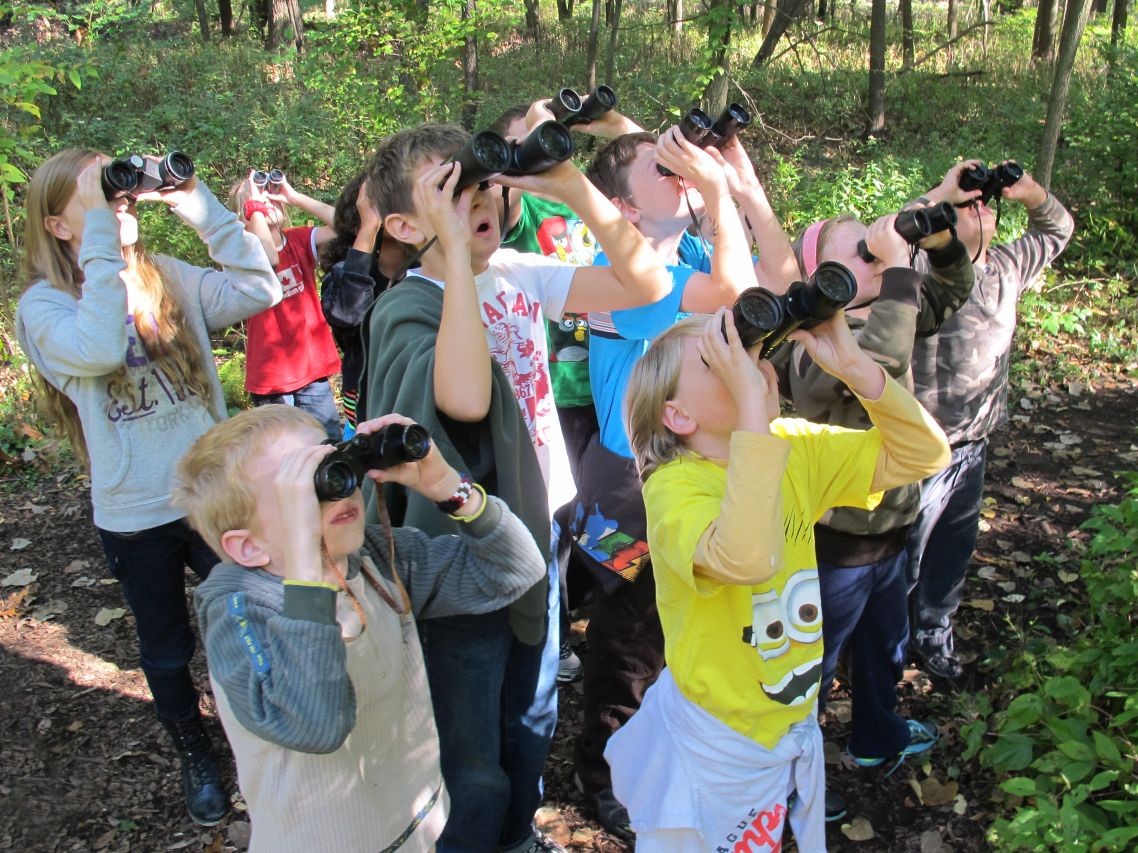
Knowledgeable and friendly naturalists provide interpretive tours and organize programs for schools and other groups. Seasonal events offer opportunities to take part in nature-oriented activities year-round. Groups may also utilize the meeting rooms. For registration and fees, visit Active Windsor.
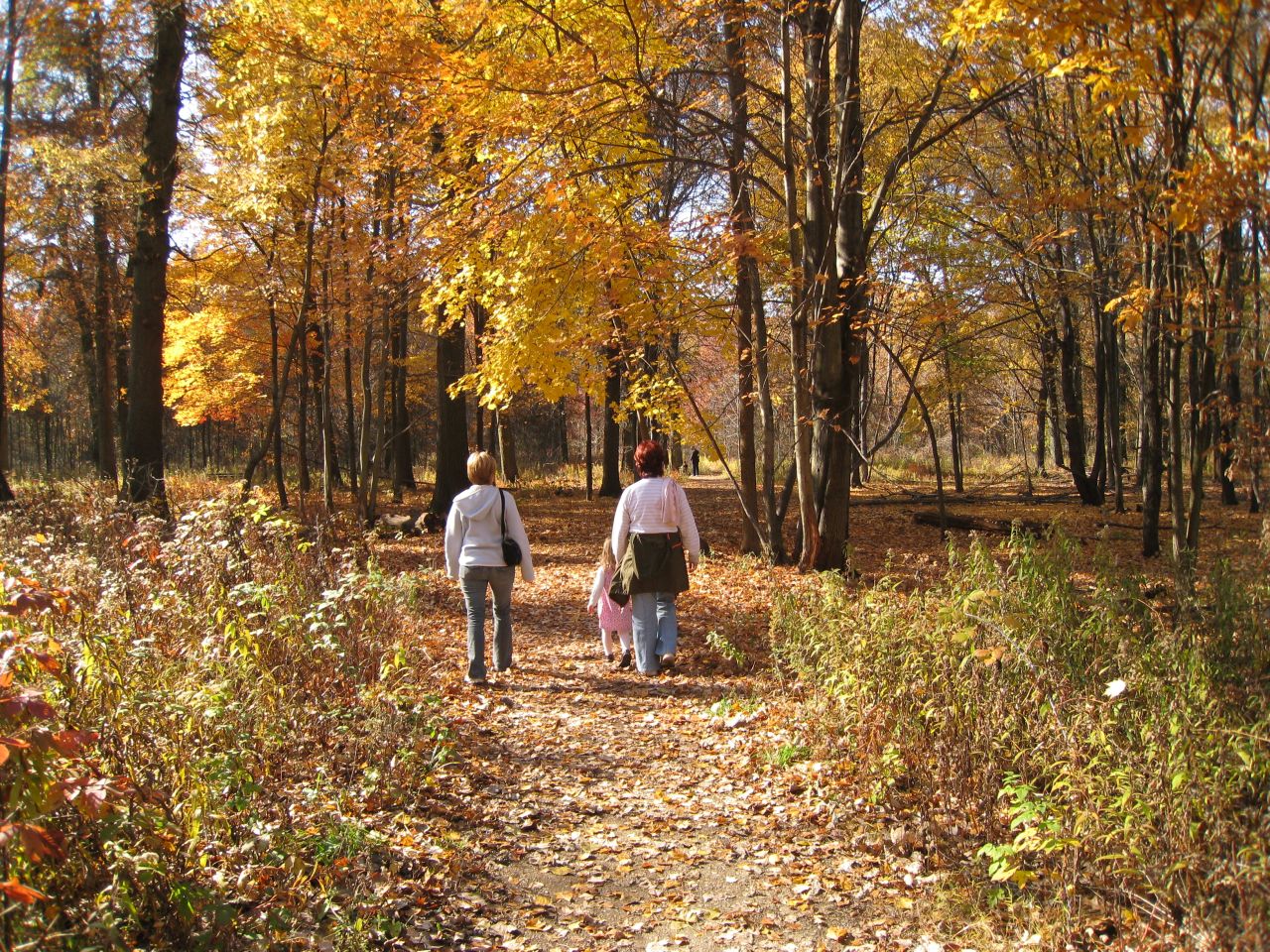
Ojibway Park and Nature Centre’s parking area provides free walking access to eco-trails within Ojibway Park, Tallgrass Prairie Heritage Park, and Ojibway Prairie Provincial Nature Reserve. Ojibway Park has two hard-surfaced trails and a pond boardwalk suitable for strollers and wheelchairs. The park is accessible via Transit Windsor, and bike racks are available. Natural areas are open dawn to dusk. City of Windsor by-laws identify restricted activities.
Information
- National Urban Park | Let's Talk Windsor – For information on the National Urban Park project including reports and studies.
- Truth and Reconciliation Commission of Canada: Calls to Action
Maps
- Ojibway Park Trail Map
- Black Oak Heritage Park Trail Map
- Tallgrass Prairie Heritage Park Trail Map
- Spring Garden Natural Area Trail Map
- Oakwood Natural Area Trail Map
Brochures
- Ojibway Park and Nature Centre brochure
- Species at Risk Ojibway Prairie Complex
- Landscaping for Wildlife
- Gardening for Butterflies and Moths
- Attracting Hummingbirds
- Early Spring Wildflowers of Ojibway Prairie Complex
- Late Spring Wildflowers of Ojibway Prairie Complex
- Summer Wildflowers of Ojibway Prairie Complex
- Autumn Wildflowers of Ojibway Prairie Complex
- Small Mammals of Ojibway Prairie Complex
- Large Mammals of Ojibway Prairie Complex
- Invasive Plants of Ojibway Prairie Complex
- Butler's Gartersnake at the Ojibway Prairie Complex
- Purple Twayblade at the Ojibway Prairie Complex
Community Science at the Ojibway Prairie Complex
Resources
Indigenous Organizations and Local First Nations
- Ska:na Family Learning Centre | Child Care Education | EarlyON
- Can-Am Indian Friendship Centre | CAIFC | Windsor, ON
- Southwestern Ontario Aboriginal Health Access Centre
- Heritage Centre — Walpole Island First Nation
- Caldwell First Nation
- Deshkan Ziibiing – Chippewas of the Thames First Nation
- Aamjiwnaang First Nation
- Kettle & Stony Point First Nation
Environmental Organizations
- Friends Of Ojibway Prairie
- Essex County Nature
- Tallgrass Ontario
- Ontario Parks
- Ministry of the Environment, Conservation and Parks
- Ministry of Natural Resources
- Natural Heritage Information Centre
- Parks Canada
- Essex Region Conservation Authority
- The Pelee Island Bird Observatory
- Holiday Beach Migration Observatory
- Wings Rehabilitation Centre
- Erie Wildlife Rescue
- Carolinian Canada
- Invasive Species Centre
- Ontario Invasive Plant Council
Other Resources
- Safe Outdoor Living | The Windsor-Essex County Health Unit and Sun Safety | The Windsor-Essex County Health Unit – For information on ticks, West Nile disease, and other outdoor safety tips.
- Tourism Windsor Essex Pelee Island – For information on birding in Windsor, Essex County, and Pelee Island.
- North American Butterfly Association (NABA) – For information on annual butterfly counts.
- Birds Canada – For information on bird surveys, including Christmas Bird Counts.
- Museum Windsor | City of Windsor
-
Windsor Archaeological Management Plan (WAMP)
-
Excerpt from Page 9:
- "Windsor lies within the traditional territory of the Anishinaabe nations that comprise the Three Fires Confederacy: Ojibwa (Chippewa), Odawa (Ottawa), and Potawatomi. It is also within the scope of treaties signed by the British Crown, including Treaty #2 (also known as the 1790 McKee Purchase), signed with representatives of these Anishinaabe nations together with representatives of the Huron (Wendat/Wyandot) Nation, and the 1701 Nanfan treaty, signed with the Haudenosaunee Confederacy (Five Nations) at Albany, NY. These nations were also signatories of the 1701 Great Peace of Montreal treaty, negotiated between the government of New France and thirty-nine Indigenous nations, that ratified the Dish With One Spoon principle for sharing resources while respecting sovereign territories." (Jacobs & Lytwyn, 2020) Jacobs, D. M., & Lytwyn, V. P. (2020). Naagan ge bezhig emkwaan A Dish with One Spoon Reconsidered. Ontario History, 112(2), 191–210.
-
Excerpt from Page 9:
Shared Responsibility
These ancient natural areas sustain us by providing clean air, clean water, food, medicine, and an opportunity to experience a deep connection to other relations while being mindful of our responsibilities to them. Please remember to be respectful of all the inhabitants in these areas and understand that everything and everyone has an important role in the continued survival of these valuable natural spaces. Leaving everything as you find it, staying on authorized trails, and taking with you any trash are just a few of the ways that you can show your appreciation.
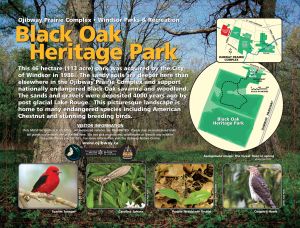
Authorized trails are marked on trailhead signage and are suited for walking, connecting to nature, birding, and nature photography. E-bikes and motorized vehicles are prohibited. Natural areas are open dawn to dusk. City of Windsor by-laws identify restricted activities including not feeding wildlife. Please stay on authorized trails and be aware of inherent risks such as exposure to ticks, mosquitoes, hazardous plants, falling tree limbs, and uneven terrain.
Land Acknowledgement
Recognized as one of Canada’s most diverse and multicultural communities, our city was developed on land that is the traditional territory of the Anishnaabeg people of the Three Fires Confederacy (Ojibwe, Potawatomi, and Odawa). Before Europeans arrived, the land along the Detroit River was referred to as Wawiiatanong by the Indigenous populations. Due to Windsor’s unique location along the Detroit River many different groups have called this area home, including Haudenosaunee, Attawandaron (Neutral), and Huron (Wyandot) peoples. This area is part of McKee Purchase Treaty 2 1790. Today, many indigenous people and Métis across Turtle Island call this area home. We are thankful to be able to share our history in this area.
Contact Us
Ojibway Nature Centre
5200 Matchett Road
Windsor ON N9C 4E8
Phone: 519-966-5852
Email: ojibway@citywindsor.ca